

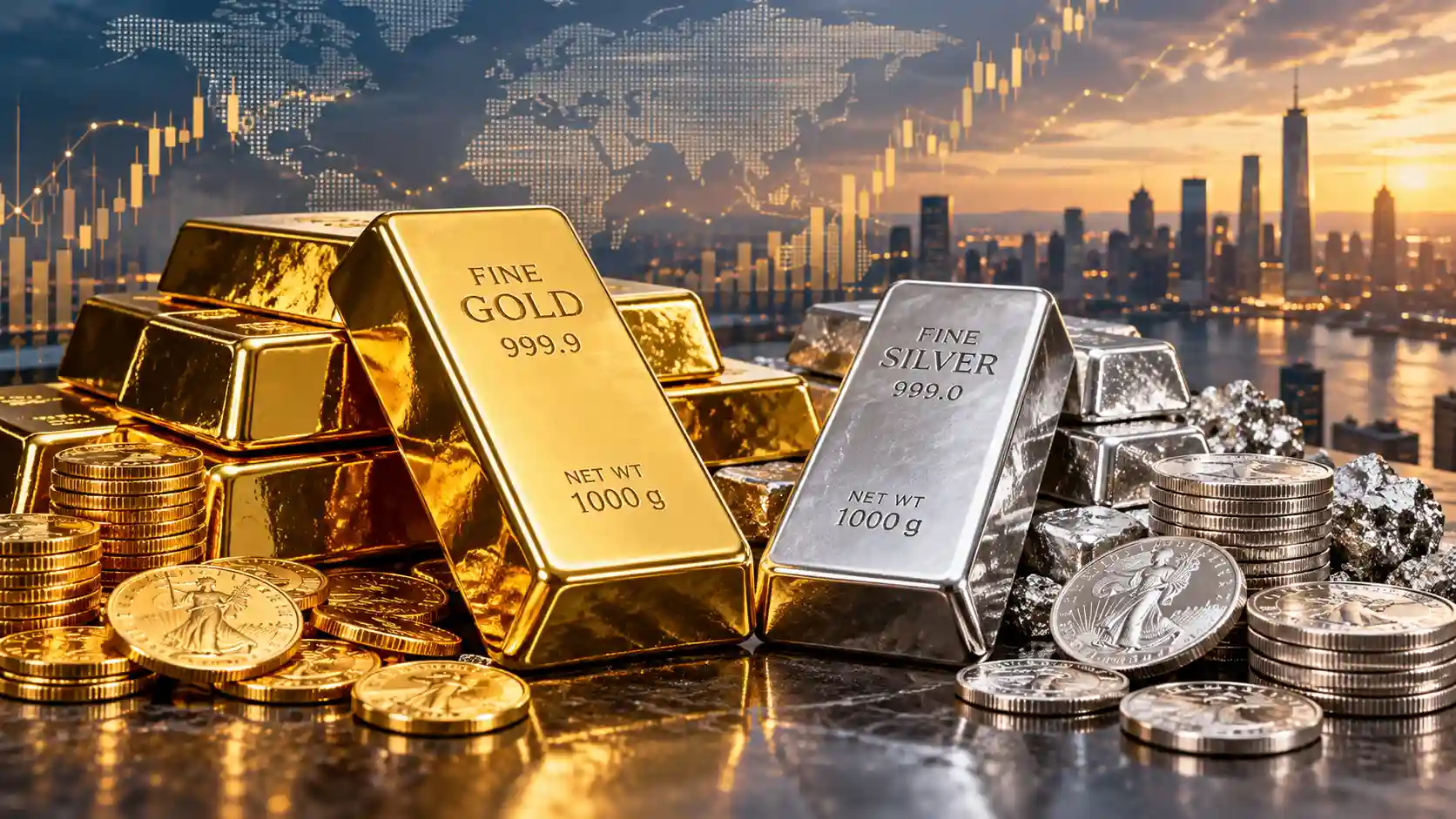
Today, almost everything seems possible with a single click. Money has become increasingly digital, banking can be managed online, and even a person's wealth can sometimes appear to be nothing more than numbers on a screen.
But here is something I find interesting.
Whenever people cannot sleep because of a major global event, a financial shock, rising inflation or sudden market volatility, attention often turns toward two assets that have been trusted for generations: gold and silver.
From major investors and central banks to ordinary households, precious metals continue to have a place in the global financial conversation. The reason is not simply tradition. Gold and silver have physical properties, limited natural supply and long histories of being used as stores of value and mediums of exchange.
My view is simple: in a world where money, banking and investment are becoming increasingly digital, it is still worth understanding why physical assets such as gold and silver remain important to the global economy.
The Digital Paradox: Why Physical Value Still Matters
Friends, our generation may be running toward cryptocurrency, stocks, digital banking and financial technology at incredible speed. But that does not mean physical assets have suddenly lost their relevance.
Digital assets and financial accounts depend on technology, networks, institutions and access systems. During a technology disruption, banking outage or wider financial crisis, access to digital information can become temporarily difficult.
A small gold bar or a silver coin is different in one very basic way: it is a physical object.
That does not make precious metals risk-free, and it does not mean physical metals are always more useful than digital assets. Their prices can fall, storage can have costs, and buying and selling can involve premiums, spreads and taxes depending on the country.
But the physical nature of these metals helps explain why they have survived through so many different monetary systems and economic cycles.
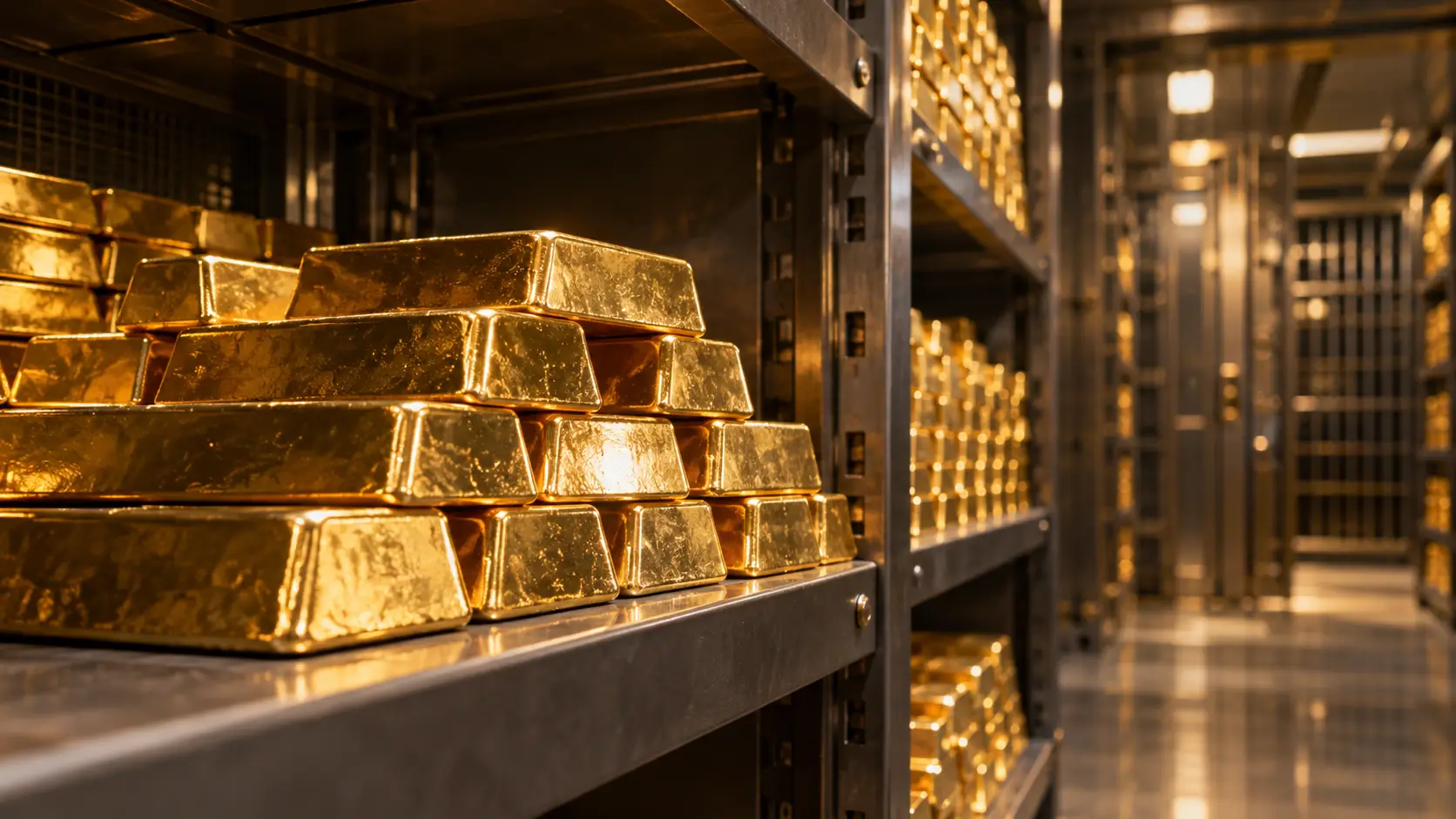
And there is another point that I believe global readers should understand: central banks themselves continue to hold gold as part of their official reserves. Gold is therefore not simply a product sitting inside a jewellery store. It is also part of the international reserve system.
Why Gold Still Matters to the Global Economy
Gold has a unique position in the financial world.
It is not the currency of one particular country, it does not represent ownership in a single company, and it does not depend on the financial performance of one business.
That is one reason investors and institutions around the world continue to watch gold whenever economic conditions become uncertain.
Inflation expectations, interest rates, currency movements, geopolitical tensions, central-bank activity and investor demand can all influence the gold market.
This is also why simply looking at today's gold price is not enough. If we really want to understand gold, we have to understand the global forces moving behind that price.
The U.S. Dollar and Federal Reserve: A Global Connection
One of the biggest pieces of the global precious-metals puzzle is the United States dollar.
Gold and silver are widely quoted in U.S. dollars in international markets. Therefore, changes in the dollar can affect how precious metals are valued by buyers and investors using other currencies.
The Federal Reserve also matters because its monetary-policy decisions can influence interest rates, bond yields, financial conditions and market expectations across the world.
When interest rates and yields become relatively attractive, some investors may prefer assets that generate interest or income rather than an asset such as gold that does not pay regular interest.
But markets are never that simple.
Investors also look at what they believe the Federal Reserve may do next. Expectations about future rate cuts, rate increases, inflation and economic growth can sometimes move markets before an actual policy decision takes place.
This is why gold is a global story. A decision made in Washington can influence financial conditions far beyond the United States, while currency movements can affect precious-metals prices for investors around the world.
Inflation, Geopolitics and the Search for Stability
Inflation is another major reason gold remains part of the global financial conversation.
When the cost of goods and services rises and people become concerned about the future purchasing power of money, gold often receives additional attention as a traditional store of value.
However, I would not say that inflation automatically means gold must rise. Real-world markets are more complicated. Interest rates, bond yields, currency movements, investor positioning and expectations can all change the outcome.
Geopolitical developments can also affect precious-metals markets. Wars, international tensions and concerns about economic stability can increase demand for assets that investors traditionally associate with wealth preservation.
This does not mean every geopolitical event produces the same reaction. Markets constantly compare one risk with another, and prices can move in either direction.
Why Central Banks Keep Gold on the Global Radar
One of the most interesting parts of the modern gold story is the role of central banks.
Central banks hold foreign-exchange reserves and, in many cases, gold as part of their reserve assets. Changes in official-sector gold demand can therefore influence the wider market.
For me, this is an important reminder that gold is not only about jewellery or individual investors. It is also connected to the architecture of the international financial system.
When central banks adjust their reserves, global investors pay attention. It can become another piece of information when they try to understand the long-term direction of the precious-metals market.
Gold & Silver Market Tracker
[x] LIVE MARKET DATATrack the latest available market data for gold and silver in USD per troy ounce.
This interactive market view is provided for informational purposes and allows readers to follow the international gold and silver market without relying only on a static price shown inside an article.
Looking Beyond the Price on the Screen
This is where I believe the real story begins.
When you see gold or silver moving sharply on a chart, it is tempting to ask only one question: “Why is the price going up or down?”
But the better question is often: what is happening underneath the price?
Is the U.S. dollar moving? Are bond yields changing? Are inflation expectations shifting? Are investors becoming more cautious? Are central banks changing their reserves? Is industrial demand changing?
Once you start looking at these connections, gold and silver become much more than two numbers on a market screen.
Silver: More Than a Precious Metal
Friends, what can we say about silver?
Many people look at silver simply as the cheaper alternative to gold. But that comparison misses one of the most interesting parts of the silver story.
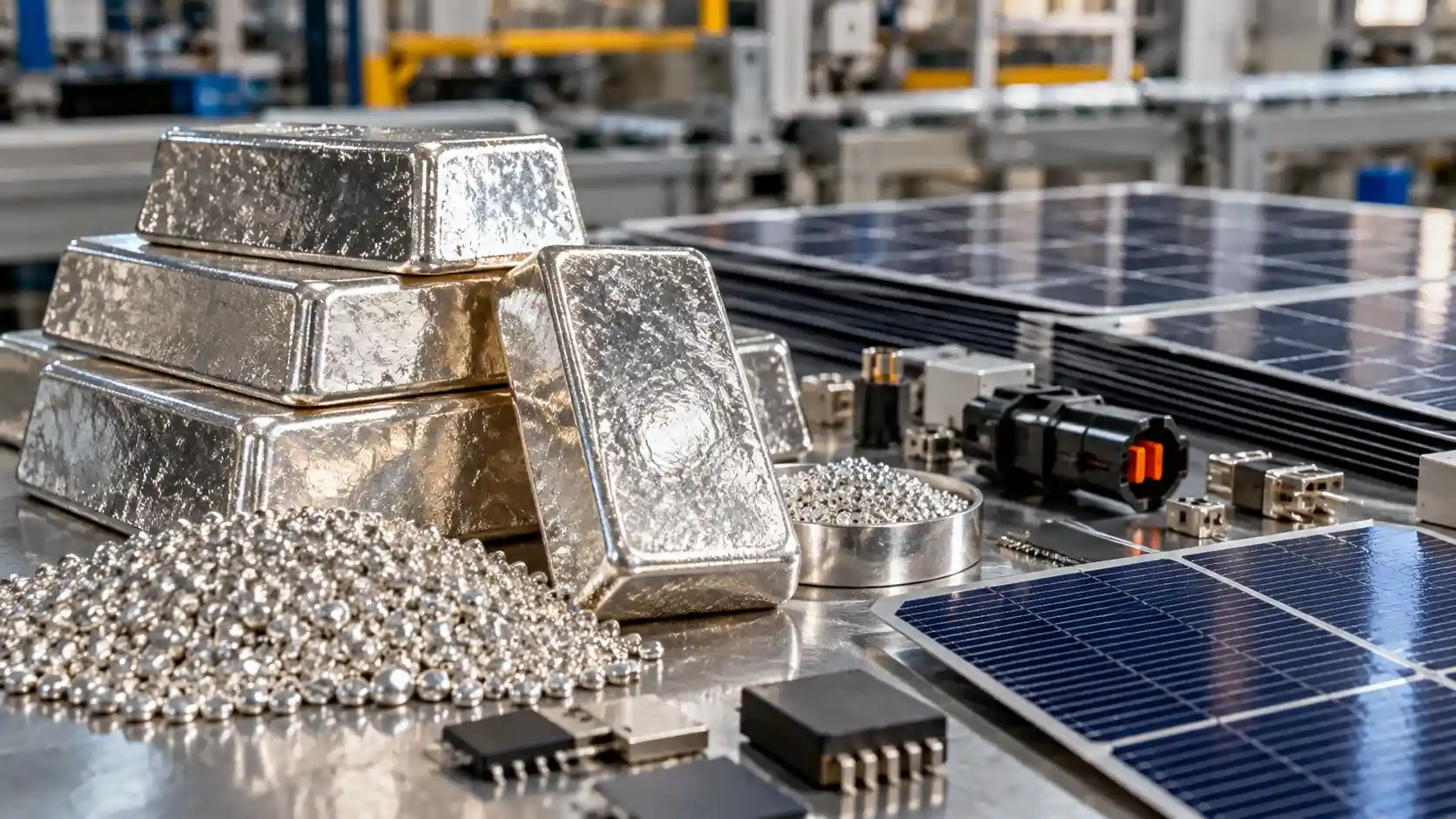
Silver is both a precious metal and an industrial material. That means its market is connected not only to investment demand but also to the physical economy.
Silver is used in areas such as solar technology, electronics, electrical components and several other industrial applications. Its electrical and physical properties make it useful in technologies where reliable conductivity and performance matter.
This is why the future of silver cannot be understood only by looking at jewellery demand.
As countries continue to invest in renewable-energy infrastructure, electrification and modern technology, industrial demand becomes an important part of the long-term silver story.
Silver and the Technology Economy
Think about how quickly the world is changing.
Solar power is expanding. Electric vehicles are becoming more common. Electronics are becoming more advanced. Data centres and modern digital infrastructure are growing. Every one of these developments requires physical hardware.
Silver is used in several electrical and electronic applications because of its excellent conductivity and other material properties.
That does not mean every new technology automatically sends silver prices higher. Supply, recycling, industrial production, substitution, investor demand and the wider economic cycle also matter.
But it does mean silver has a different economic identity from gold.
Gold is closely associated with monetary and financial sentiment, while silver sits at the meeting point of precious metals and industrial demand.
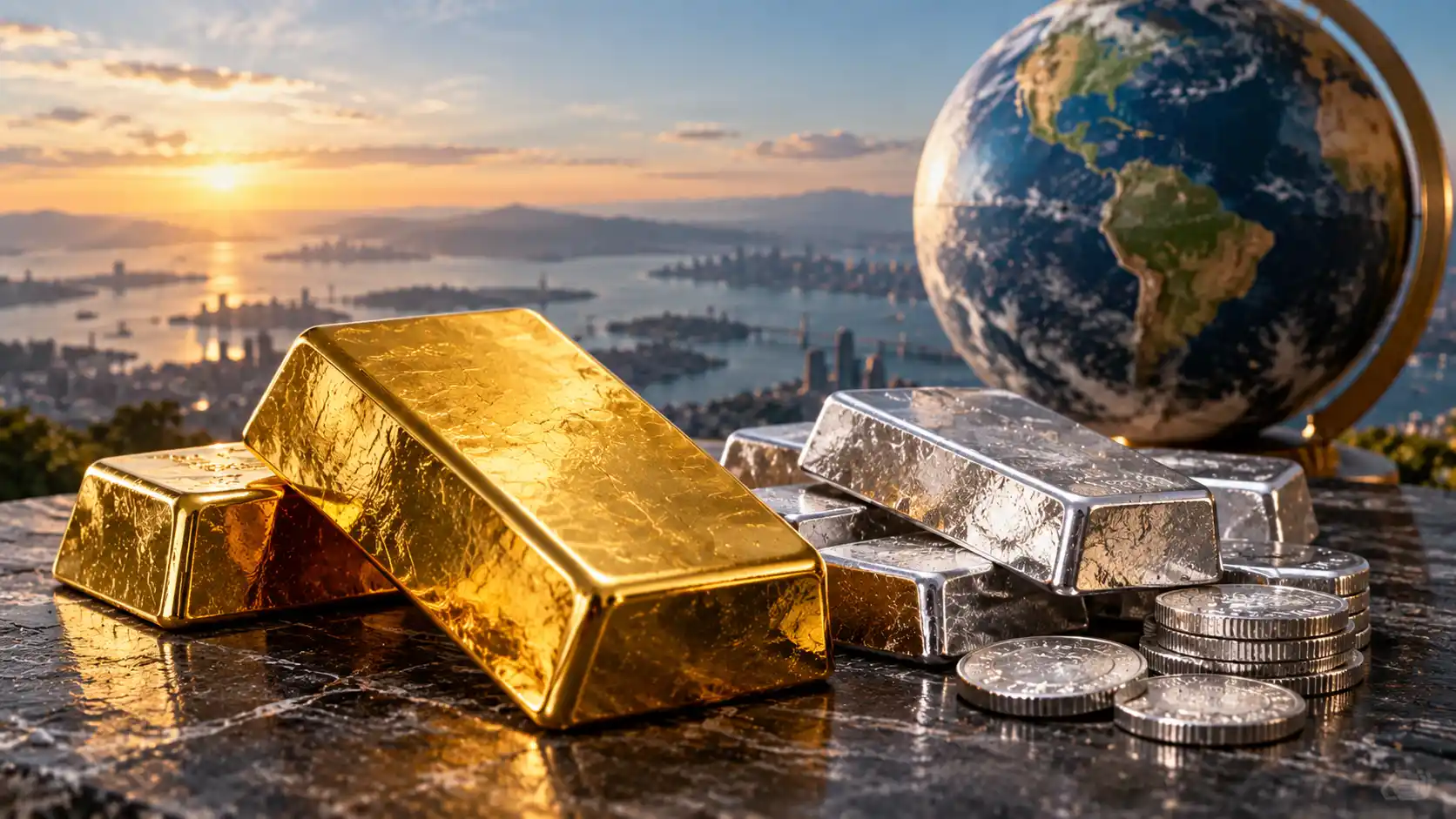
Gold vs. Silver: Two Metals, Two Different Stories
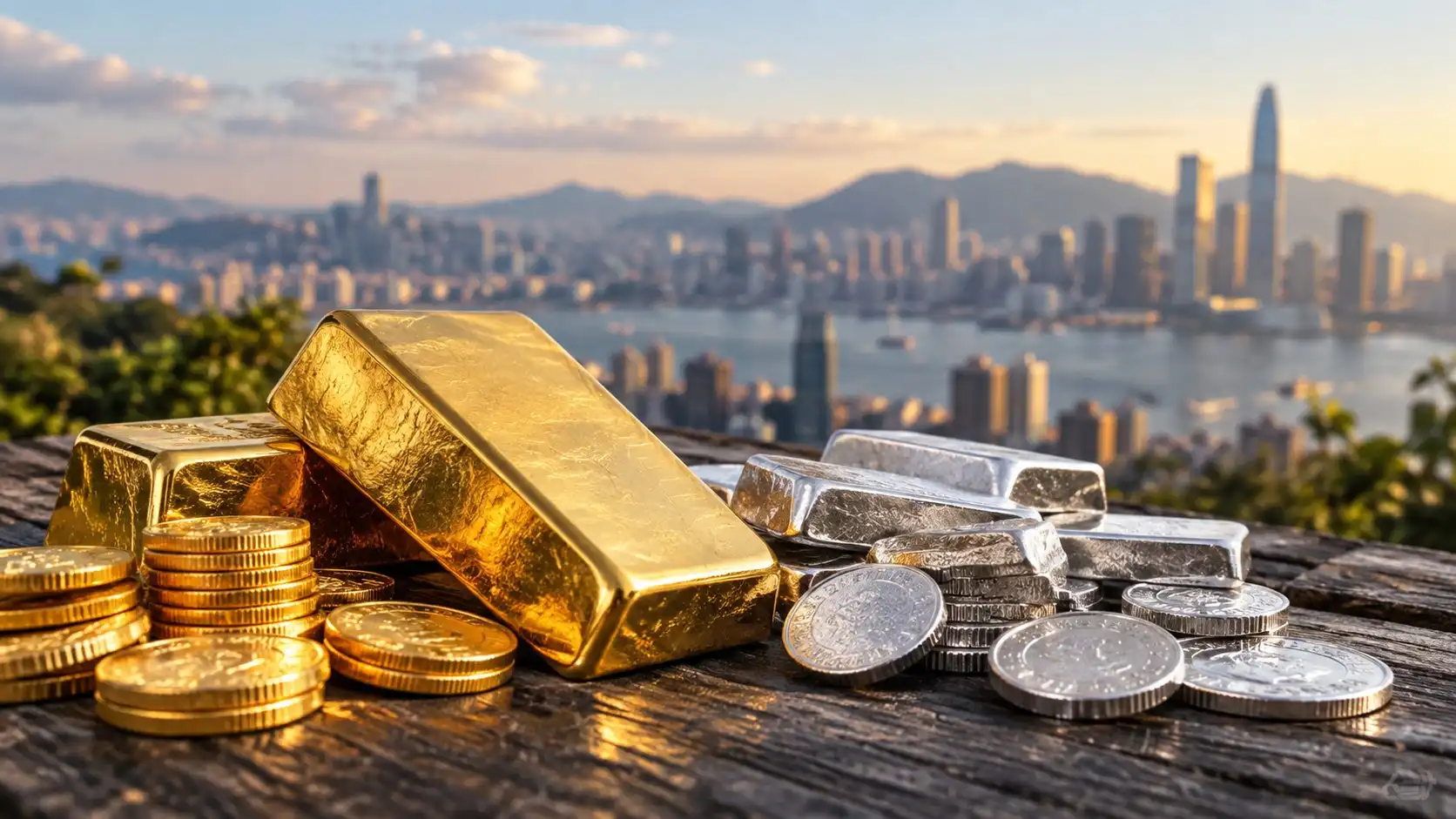
Gold and silver are often discussed together, but I do not think we should treat them as identical.
Gold has a long history as a store of value and is held by central banks, investors and households in many parts of the world.
Silver also has investment demand, but its industrial role adds another layer to the market.
Because of this difference, silver can sometimes experience larger price swings than gold. During strong industrial cycles, silver can benefit from increased demand expectations. During periods of economic weakness, the industrial side of its demand can become a concern for the market.
Gold can also experience significant volatility, especially when interest rates, currencies and investor expectations change quickly.
So rather than asking which metal is “better,” I believe the more useful question is: what role does each metal play in the global economy?
The Universal Takeaway for Every Citizen
Whether you are reading this article from a small town in India, a European city, the United States, the Middle East or anywhere else in the world, one principle remains important: understand where your wealth is held and what risks can affect it.
Every financial asset has its own risks.
Bank deposits, stocks, bonds, real estate, currencies, cryptocurrencies and precious metals all behave differently under different economic conditions.
That is why diversification is often discussed in long-term financial planning. Gold and silver can be part of that conversation for some investors, but they are not guaranteed protection against every financial problem.
For me, the important lesson is not “put everything into gold and silver.” The lesson is to understand why these assets have remained relevant for so long and what risks and opportunities are connected to them.
In that sense, precious metals can be viewed by some investors as a form of diversification or a potential store-of-value asset rather than simply a short-term trade.
Why the Global Picture Matters More Than One Day
Precious-metals markets can move sharply from one day to another.
A stronger dollar can change the market mood. A shift in interest-rate expectations can move bond yields. A geopolitical development can increase uncertainty. A new economic report can change expectations about inflation or growth.
All of these forces can interact at the same time.
That is why reacting emotionally to one day's price movement can sometimes hide the bigger story.
I prefer to look at the wider picture: what is happening to currencies, interest rates, inflation expectations, central-bank activity, industrial demand and global investor sentiment?
That approach does not tell us exactly where prices will go next. Nothing can do that with certainty. But it can help us understand why the market is behaving the way it is.
The Bigger Global Picture
Time changes.
Generations change.
The way we use money changes.
A few decades ago, people depended heavily on cash, physical bank branches and paper records. Today, a large part of our financial life can be managed through a smartphone.
Yet gold and silver continue to have a place in the global economy.
That does not mean their prices will always rise. It does not mean they will protect every investor from every loss. And it certainly does not remove the need to understand risk.
What it does show is that certain forms of value can remain relevant even as technology, financial systems and economic policies change.
Gold and silver have passed through wars, monetary changes, inflation periods, financial crises and technological revolutions. Their role has changed over time, but they have not disappeared from the global financial conversation.
My Global Investor Takeaway
My personal takeaway is simple.
Do not look at gold and silver only when the market is falling or when the news becomes frightening.
Look at them when the global economy is changing.
Watch the U.S. dollar. Watch interest rates. Watch inflation. Watch central-bank activity. Watch geopolitical developments. And for silver, keep an eye on industrial activity, technology demand and the global transition toward electrification.
If you are considering precious metals as part of a long-term financial strategy, the important thing is to understand their risks, costs and possible role within your overall financial situation rather than making a decision based only on a short-term price movement.
Gold and silver are not magic solutions to financial uncertainty. But they remain fascinating because their story connects the physical world with the modern financial system.
Conclusion: Why Gold and Silver Still Matter
Time changes. Generations change. Even the form of money changes.
But the human desire to preserve value does not disappear.
Gold and silver have survived thousands of years of changing economies, currencies and financial systems. Today, they are still being watched by central banks, investors, industries and ordinary people around the world.
For me, that is what makes this market so interesting.
Gold tells part of the monetary and financial story. Silver tells another part through its combination of precious-metal and industrial demand. Together, they give us another way to understand what is happening in the global economy.
If you believe precious metals deserve a place in the wider conversation about wealth and financial resilience, the most important step is not to follow a trend blindly. Understand the market, understand the risks and make decisions according to your own circumstances.
What do you think about the long-term role of gold and silver in the global economy? Share your thoughts in the comments, and if you found this Finswiftnews analysis useful, feel free to share the article with someone who follows global markets.
Frequently Asked Questions
Why are gold and silver important in global markets?
Gold and silver are widely traded precious metals with long histories as stores of value. Gold is also held by many central banks, while silver has significant industrial uses in addition to investment demand.
Does inflation always make gold prices rise?
No. Inflation is one factor among many. Interest rates, bond yields, the U.S. dollar, investor demand and broader economic expectations can all influence gold prices.
Why is silver different from gold?
Silver has both precious-metal and industrial characteristics. It is used in areas including electronics, electrical applications and solar technology, so industrial activity can play an important role in its market.
Why does the U.S. dollar matter for gold and silver?
Gold and silver are widely quoted internationally in U.S. dollars. Changes in the dollar can therefore influence how these metals are valued by participants using other currencies.
Can gold and silver guarantee wealth protection?
No. Precious metals can experience substantial price fluctuations and other risks. They should not be presented as a guaranteed protection against financial losses.
Are international market prices the same as local jewellery prices?
No. International market prices can differ from local retail prices. Jewellery prices may include taxes, making charges, dealer margins, premiums and other local costs.
Editorial Note
This article is an original Finswiftnews editorial feature written to explain the relationship between precious metals, global financial markets, monetary policy, industrial demand and changing economic conditions.
The article combines general market knowledge, publicly available information and the author's own editorial perspective. It is not presented as a reproduction of another publication.
Author: Chavda Dilavarkumar
Publisher: Finswiftnews
Category: Gold & Silver, Global Finance
Published: 24/06/2026
Last Updated: 24/09/2026
Fact Checked: 24/09/2026
Editorial Review: Finswiftnews
Fact Check & Primary Sources
Finswiftnews uses publicly available and relevant sources when verifying market information and economic developments. Depending on the specific claim, primary or authoritative sources may include central-bank publications, government and regulatory information, official company announcements, international financial institutions, recognized commodity-market data and reputable industry reports.
Live market information in this article is displayed through the embedded TradingView market tracker. Readers should check the underlying market source and timestamp when using live prices.
About the Author
Chavda Dilavarkumar is the founder and publisher of Finswiftnews, an independent digital news and information platform covering global finance, markets, precious metals, technology, immigration and major economic developments.
Finswiftnews focuses on explaining complex global developments in a clear, reader-friendly format while highlighting publicly available information and relevant market context.
Disclaimer: The information published on Finswiftnews is provided for educational, informational and news-reporting purposes only. While we strive to use reliable and publicly available sources, we do not guarantee that all information is complete, accurate or up to date at every moment.
Gold and silver prices can change rapidly. International market prices may differ from local retail or jewellery prices because of taxes, premiums, dealer margins, making charges, currency movements and other factors.
Nothing in this article constitutes financial, investment, tax, legal or other professional advice. Readers should verify important information through appropriate official or authoritative sources and consider their own financial circumstances before making financial decisions.
Finswiftnews and the author are not responsible for losses or damages resulting from reliance on information published on this website.
Post a Comment